


Search history
Hot keywords
New offer
Travel Guide
Enter a hotel or destination...
Chọn điểm đến, khách sạn theo sở thích
Check in - Check out
dd-mm-yyyy - dd-mm-yyyy
Số phòng - Lượng khách
1 Room - 1 Adult - 0 Child - 0 Infant
Chọn điểm đến, khách sạn theo sở thích
Phu Quoc
VinHolidays Fiesta Phu Quoc
Vinpearl Wonderworld Phu Quoc
Vinpearl Resort & Spa Phu Quoc
Nha Trang
Hon Tam Resort
Vinpearl Resort & Spa Nha Trang Bay
Vinpearl Resort Nha Trang
Vinpearl Luxury Nha Trang
Vinpearl Beachfront Nha Trang
Vinpearl Empire Nha Trang, Affiliated by Meliá
Nam Hoi An
Vinpearl Resort & Golf Nam Hoi An
Ha Tinh
Vinpearl Ha Tinh, Affiliated by Meliá
Vinpearl Cua Sot Resort, Affiliated by Meliá
Nghe An
Vinpearl Cua Hoi Resort, Affiliated by Meliá
Bac Ninh
Vinpearl Hotel Bac Ninh
Ha Long
Vinpearl Resort & Spa Ha Long
Check in - Check out
Số phòng - Lượng khách


Book now

Hoi An
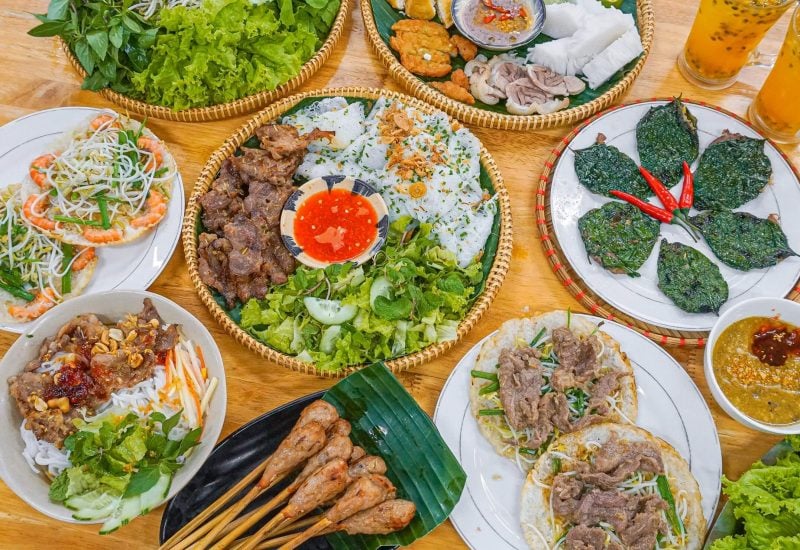
Hoi An captivates visitors with its authentic nostalgia, cross-cultural interaction, beautiful beaches, and rich cuisine.




Newest articles


12 French restaurants in Hoi An worth a culinary stop
31/10/2025 2.058
Hoi An boasts an impressive culinary diversity. French restaurants in Hoi An particularly shine among international offerings. These sophisticated establishments create memorable dining experiences through careful attention to flavor, presentation, and ambiance.
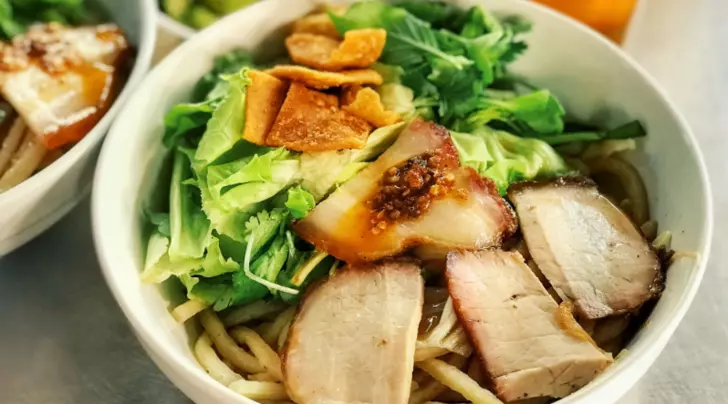

Cao Lau: A culinary treasure of the food capital of Vietnam
31/10/2025 118.109
Cao lau will make you drool with its perfect combination of chewy noodles, smoky pork, and fresh herbs. Don’t miss the chance to taste this unique dish during your trip to the S-shaped country.


Phu Quoc to Hoi An: The FULL guide for your stress-free journey
31/10/2025 6.619
Are you planning your trip from Phu Quoc to Hoi An? Our comprehensive guide will clarify the most convenient and safest means of transportation, thus making your trip memorable.
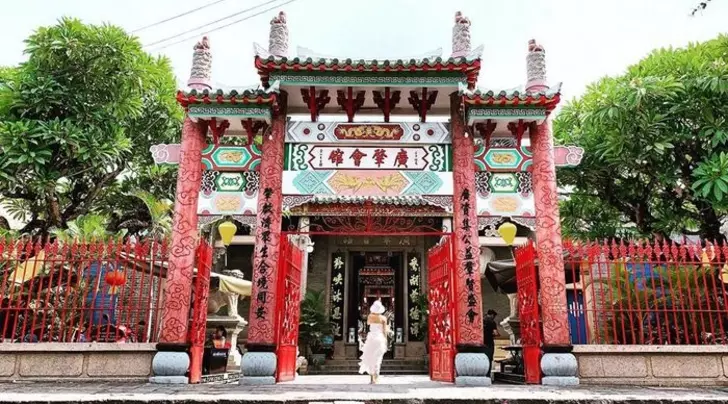

Cantonese Assembly Hall in Hoi An: A sacred landmark over 100 years old
31/10/2025 14.469
Cantonese Assembly Hall is a historically significant relic of Hoi An Ancient Town. With its Chinese architectural style, this is a popular destination for travelers to visit and explore.
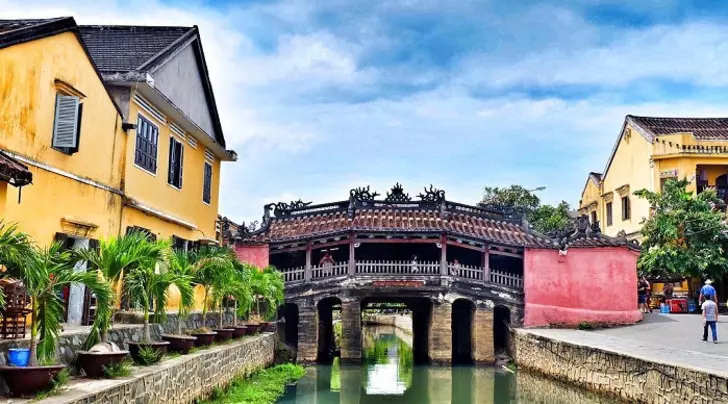

Bangkok to Hoi An: Optimal transport guide for travelers
30/10/2025 5.156
The Bangkok to Hoi An journey offers travelers a gateway to Central Vietnam's breathtaking scenery and cultural richness. Despite the lack of direct flights, the journey remains straightforward.
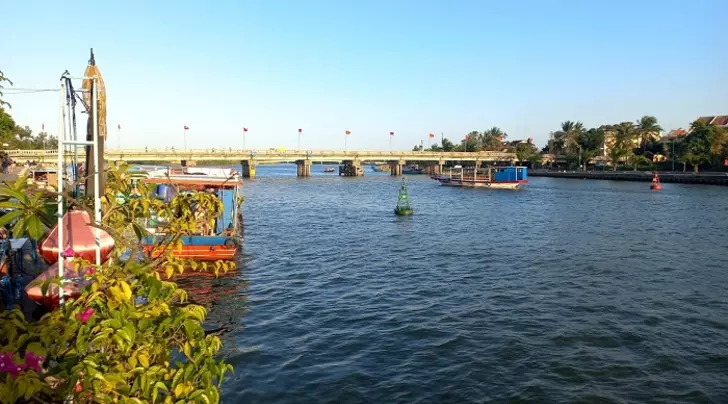

Cam Nam Island: A serene gem along the river in Hoi An
30/10/2025 5.665
Nestled within Hoi An's vibrant surroundings, Cam Nam Island boasts serene landscapes and an authentic cultural allure. This lesser-known attraction offers an escape into peaceful bliss.


Cooking classes in Hoi An: 13 top picks & tour ideas
30/10/2025 2.276
Joining a cooking class in Hoi An is a good way to experience Vietnamese culture through its rich cuisine. You will get to visit local markets and cook authentic dishes alongside friendly chefs.


15 Hoi An’s temples and pagodas to add to your spiritual journey
29/10/2025 2.197
With its rich culture and history, a visit to Hoi An’s temples and pagodas is a must. Whether you are seeking a moment of peace or a deep dive into the region's history, these destinations are a testament to the kind-hearted spirit of its people.


13 of the best spas in Hoi An for a rejuvenating escape
25/10/2025 2.479
When you think of Hoi An, you probably picture lanterns, tailor shops, and riverside cafes. But there is another side to this ancient town that quietly steals hearts - spas. The spas in Hoi An, Vietnam are not just places to get a massage; they are sanctuaries of calm, blending local charm, Eastern healing, and tropical luxury.


Thu Bon River: From an ancient trade route to a living heritage
23/10/2025 2.082
The Thu Bon River, flowing through the heart of central Vietnam, is more than just a waterway - it is a living heritage. Its banks reveal centuries of trade, culture, and village life, offering visitors a journey through scenic beauty and riverside traditions.


Hon Tre Island, Nha Trang Ward, Khanh Hoa Province, Vietnam


Account Holder
Vinpearl Joint Stock Company
Account Number: 9124412488166 (VND)
Vietnam Technological and Commercial Joint- stock Bank (Techcombank) - Head office
Business Registration:
4200456848. The first registration dated on 26 July 2006.
The fiftieth registration for change dated on 03 March 2020.
Issued by:
Khanh Hoa Department of Planning and Investment


Copyright © 2022 Vinpearl.com. All rights reserved


Hon Tre Island, Nha Trang Ward, Khanh Hoa Province, Vietnam
Account Holder
Vinpearl Joint Stock Company
Account Number: 9124412488166 (VND)
Vietnam Technological and Commercial Joint- stock Bank (Techcombank) - Head office
Business Registration:
4200456848. The first registration dated on 26 July 2006.
The fiftieth registration for change dated on 03 March 2020.
Issued by:
Khanh Hoa Department of Planning and Investment
Copyright © 2022 Vinpearl.com. All rights reserved